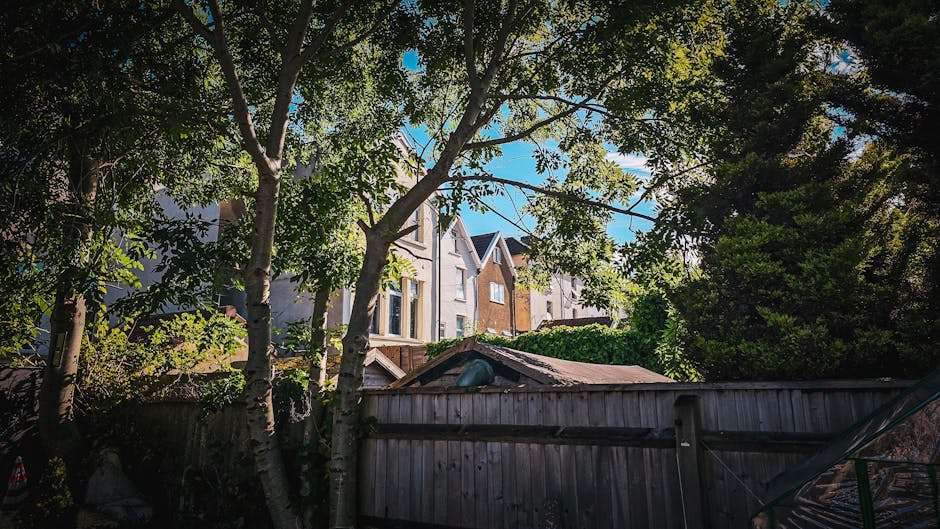
Affordable garden maintenance for SE6 flats Catford
If you live in a flat in Catford, you'll know the garden can be a blessing and a bit of a chore. A small communal strip at the back, a shared front patch, a balcony planter that keeps getting ignored, or a courtyard that always seems to collect leaves and litter by Friday afternoon - it all needs looking after. Affordable garden maintenance for SE6 flats Catford is about keeping those outdoor spaces tidy, healthy, and usable without paying for more service than you actually need.
That balance matters. Too little maintenance and the space quickly looks tired. Too much and the cost can feel hard to justify, especially where flats share responsibility through a landlord, managing agent, or residents' group. This guide breaks down what affordable maintenance really looks like, how it works in practice, what to ask for, and how to avoid spending money in the wrong places. If you're comparing options, trying to organise a shared garden, or just want a better way of handling seasonal jobs, you're in the right place.
Table of Contents
- Why Affordable garden maintenance for SE6 flats Catford Matters
- How Affordable garden maintenance for SE6 flats Catford Works
- Key Benefits and Practical Advantages
- Who This Is For and When It Makes Sense
- Step-by-Step Guidance
- Expert Tips for Better Results
- Common Mistakes to Avoid
- Tools, Resources and Recommendations
- Law, Compliance, Standards, or Best Practice
- Options, Methods, or Comparison Table
- Case Study or Real-World Example
- Practical Checklist
- Conclusion
- Frequently Asked Questions
Why Affordable garden maintenance for SE6 flats Catford Matters
Flat living changes the way outdoor space works. In a house, the garden is usually one person's job and one person's budget. In a block of flats, it can be shared, overlooked, or awkwardly divided between residents, a freeholder, or an agent. That's exactly why affordable garden maintenance needs a bit more thought. It's not just about keeping grass short or hedges neat. It's about keeping the space safe, pleasant, and fair to maintain.
In SE6, where many homes are close together and outdoor areas can be compact, even a small patch of neglect stands out quickly. A few overgrown edges, broken planters, or fallen leaves by the communal path can make the whole building feel untidy. And let's face it, once that happens, people notice. Prospective tenants notice. Visitors notice. Residents notice on the way out with a bag of rubbish or a morning coffee in hand.
Affordable maintenance matters because flat residents often need regular but modest care rather than heavy, expensive landscaping. That usually means a sensible schedule: pruning when needed, clearing waste, light lawn care, weeding, and seasonal tidying. Not a giant redesign. Not endless extras nobody asked for.
For many buildings, the aim is simple: keep it presentable, prevent bigger problems, and avoid the kind of damage that becomes costly later. A slippery path with moss, blocked drainage from leaf build-up, or brambles creeping where they shouldn't can quickly turn into more than a cosmetic issue. Small jobs done consistently are usually cheaper than one big rescue job. That's the truth of it.
If you're also sorting wider property upkeep, it can help to look at related support pages such as lawn mowing services, hedge trimming, and weed control treatments so the outdoor area is managed as one joined-up space rather than a set of random tasks.
How Affordable garden maintenance for SE6 flats Catford Works
At its best, affordable garden maintenance works on a simple principle: define the space, decide what needs doing, and book only the work that genuinely keeps the area in good order. For flat blocks, that often starts with a short survey or site visit. A gardener or maintenance team looks at the size of the communal garden, access points, waste removal needs, planting, edges, paths, and any problem spots like dead patches or drainage issues.
From there, the work is usually broken into routine tasks and occasional tasks. Routine jobs are the ones that keep things under control: mowing, edging, sweeping, weeding, deadheading, and tidying borders. Occasional jobs are more seasonal: cutting back shrubs, clearing autumn leaves, refreshing mulch, or sorting neglected corners after a busy spell. That mix is what keeps costs sensible.
The most affordable setups are usually the ones with clear scope. If everyone knows what's included, there's less confusion and fewer surprise add-ons. It sounds obvious, but you'd be surprised how often a flat block ends up paying extra because the job was never defined properly in the first place. A vague request for "garden care" can become an expensive mess.
For SE6 flats, access and timing matter too. Shared gardens may need early morning or midweek visits to avoid disrupting residents. A good maintenance plan will work around bin days, school run traffic, and the practical reality of narrow paths, side gates, and parked cars. That local, slightly everyday detail often makes the difference between a smooth service and a frustrating one.
You may also want to understand how property upkeep is structured more broadly. Pages like property maintenance, landscaping services, and garden clearance can be helpful if you're comparing garden care with other maintenance needs around the building.
Key Benefits and Practical Advantages
There are practical reasons people keep coming back to affordable maintenance rather than trying to do everything themselves. The first is consistency. Shared spaces look better when they're looked after on a schedule, not just whenever someone has a spare Saturday. The second is cost control. A small monthly or seasonal spend is easier to budget for than emergency fixes later on.
Here are some of the main advantages:
- Better first impressions: neat borders, tidy paths, and trimmed growth make the building feel cared for.
- Lower long-term costs: regular maintenance often reduces the need for larger cutbacks or clearance work.
- Safer shared areas: less overgrowth means clearer walkways and fewer trip hazards.
- Less resident friction: nobody enjoys arguing about whose turn it is to deal with the weeds.
- More usable space: even a small courtyard feels better when it's clean and manageable.
There's also a quieter benefit that gets overlooked. A maintained garden can make flat living feel a bit more human. It gives the building breathing room. A bench in the sun, a couple of pot plants, the smell of cut grass in the warmer months - small things, but they matter. Especially in London, where outside space can be limited and precious.
If you are balancing maintenance and broader budgets, it helps to look at service pages that sit alongside garden work, like grounds maintenance and seasonal garden care. They can give you a clearer picture of what should be included, and what can wait until later.
Who This Is For and When It Makes Sense
This kind of service is usually a strong fit for:
- landlords with a small number of flats and a shared outside area
- managing agents responsible for communal gardens
- residents' associations trying to keep costs fair
- leaseholders who want maintenance without overpaying for unnecessary extras
- tenants in buildings where the garden is shared and no one wants it to slide into a jungle
It makes sense when the garden needs regular, modest attention rather than major redesign. If the space is already established and only needs tidying, pruning, mowing, and seasonal control, affordable maintenance is often the right fit. It also works well where the job has to be shared across several occupiers, because the value comes from predictable upkeep, not luxury finishing.
Sometimes the need is obvious. A hedge has crept over the path. Weeds are poking through the gravel. Leaves are blocking drains and corners. Other times it's less dramatic. You just notice that the space feels a bit tired every time you pass through it. That's usually the point where a sensible maintenance plan starts paying for itself.
On the other hand, if the garden is severely overgrown or full of waste, you may need a one-off clearance before regular maintenance can begin. In those situations, the cheapest option is not always the most affordable overall. A proper reset first can save money later.
Step-by-Step Guidance
If you want to organise garden care for a block of flats without overcomplicating things, this is the cleanest way to approach it.
- Walk the space properly. Check the front, back, side access, borders, paths, and any shared bins area. Note what is actually there, not what you think is there.
- Separate routine jobs from one-off work. Routine work might be monthly mowing or weeding. One-off work might be hedge reduction or a summer tidy-up after a long gap.
- Decide what matters most. For some flats, tidy paths and safe access come first. For others, neat planting is the priority. Be honest about what the building really needs.
- Set a realistic schedule. Weekly, fortnightly, monthly, or seasonal. Not everything needs doing every time. That's where costs creep.
- Ask for a scope in plain English. What's included? Waste removal? Pruning? Border edging? Keeping this simple avoids awkward surprises.
- Review after the first few visits. If the space still looks messy after work, or the team is spending time on tasks you don't need, adjust the plan.
The key is to start with the actual site, not a wish list. A tiny courtyard with a couple of planters needs a different approach from a shared lawn with mature shrubs. Different jobs, different rhythm. Simple as that, really.
For related maintenance planning, the pages on shrub pruning and leaf clearance can help you think about seasonal priorities before booking work in.
Expert Tips for Better Results
To keep costs down without letting standards slip, there are a few habits that work well in real life.
1. Keep the scope tight
The more a visit tries to do, the more time it takes. Tightening the scope is often the easiest way to protect the budget. If the main issue is weeds and path edges, don't pay for a full-scale overhaul every time.
2. Time seasonal work properly
Spring and autumn are usually the moments when a little planning saves money. Spring growth can get away from you quickly, and autumn leaves can become a nuisance in shared entrances. Handling those periods before everything builds up is usually cheaper than waiting until the job becomes awkward.
3. Use the garden's natural shape
Some flat gardens are never going to be large. That's fine. Instead of trying to force them into a big landscaped look, work with the space you have. Clean lines, simple planting, and easy access often look better and cost less.
4. Don't ignore small failures
A broken trellis, a dead shrub, a blocked drain cover. Tiny issues have a habit of multiplying. They're the sort of things people walk past for weeks until suddenly everything looks scruffy. Fixing them early is just sensible.
5. Make communication easy
If you share the garden with other residents, put one person in charge of decisions or create a simple agreement on what gets done. It saves a lot of back-and-forth. And frankly, nobody wants a group chat argument about hedge height.
A practical rule of thumb: keep the jobs boring. Boring is good here. Boring means predictable, tidy, and affordable.
Common Mistakes to Avoid
There are a few mistakes that regularly push up the cost of garden maintenance for flat blocks.
- Waiting too long: neglected gardens almost always cost more to restore than to maintain.
- Booking one-off visits too randomly: sporadic care often leaves the space looking half-done.
- Over-specifying the work: if the garden doesn't need it, don't pay for it.
- Ignoring access issues: narrow gates, locked side entrances, and shared parking can all affect time on site.
- Forgetting waste removal: cuttings, leaves, and green waste need a plan, not just a pile.
- Assuming cheap means best: a low quote that excludes key tasks can become expensive very quickly.
Another common issue is confusing tidiness with quality. A garden can look swept up for a day and still be badly maintained underneath. In our experience, the better approach is the one that keeps growth under control consistently. That's where the value sits.
If you need broader support with neglected outdoor areas, the guide pages for overgrown garden clearance and border maintenance may help you identify what needs attention first.
Tools, Resources and Recommendations
You do not need a huge toolkit to maintain a small flat garden well, but the right basics make a difference. For simple upkeep, typical tools include a mower where lawn space exists, secateurs for light pruning, a rake or leaf grabber, edging tools, a sweeping brush for paths, gloves, and bags or bins for green waste. For more compact spaces, hand tools are often enough.
Some buildings benefit from a shared approach:
- Maintenance log: a simple note of what was done and when
- Seasonal schedule: a rough plan for spring, summer, autumn, and winter
- Photo record: helpful before and after work, especially in communal settings
- Resident contact list: useful if access or approval is needed
These are not fancy extras. They just reduce confusion. For flats, that matters. One person's "fine" can be another person's "that hedge is coming through my window." A record helps keep everyone on the same page.
If you are comparing related services, you may also find regular garden maintenance useful as a reference point for what recurring care should look like across the year.
Law, Compliance, Standards, or Best Practice
For garden maintenance in flats, the main thing is not usually a complicated legal issue. It is more about good management, reasonable care, and avoiding avoidable hazards. That said, communal outdoor areas should be kept in a condition that does not create obvious risks such as blocked access routes, slippery surfaces from neglect, or unmanaged debris.
If you are a landlord, managing agent, or person responsible for the shared area, you should think in terms of duty of care and sensible upkeep. If residents, visitors, or contractors need to use the space, paths and access points should be kept reasonably clear. If waste is stored outdoors, it should be managed in a way that does not attract pests or create obstruction. Nothing glamorous there, just solid best practice.
There can also be practical considerations around protected plants, boundary lines, or shared ownership arrangements. In those cases, it is wise to check responsibilities before cutting back anything near a fence or wall. If there is doubt, clarify first. It avoids the classic "who trimmed that?" conversation later on.
For mixed-responsibility buildings, a simple written agreement about what garden work is included can help prevent misunderstandings. That is not legal advice, of course, but it is a very sensible habit. And often, sensible is enough.
Options, Methods, or Comparison Table
Not every flat garden needs the same type of care. The right option depends on size, budget, and how much the residents want the space to do.
| Approach | Best For | Pros | Watch Outs |
|---|---|---|---|
| Ad hoc tidy-ups | Very small spaces or occasional attention | Low upfront spend, simple to arrange | Can become inconsistent; problems build up between visits |
| Regular maintenance visits | Communal gardens, lawns, and shared courtyards | Predictable, usually better value over time | Needs clear scope and schedule |
| Seasonal maintenance plan | Spaces with less growth but key peak periods | Cost-conscious, practical for limited budgets | May not suit gardens that need more frequent care |
| One-off clearance then maintenance | Neglected or overgrown areas | Resets the space before ongoing care begins | Higher initial cost, but often necessary |
For many SE6 flats, a regular maintenance plan is the sweet spot. Not too much, not too little. Just enough to keep the space respectable and avoid expensive catch-up work. That tends to be where value shows itself most clearly.
Case Study or Real-World Example
Here's a realistic example. A small block of flats near Catford had a shared back garden that started out neat enough, but by late summer the borders were full of weeds, a hedge was pressing into the path, and leaves from nearby trees kept gathering near the entrance. Nothing dramatic. Just enough to make everyone sigh a bit when they walked through.
Rather than booking a heavy, all-in redesign, the residents agreed on a straightforward plan: one clearance visit to remove the worst of the overgrowth, then lighter monthly maintenance through the growing season, with an extra autumn tidy. The result was not flashy. It didn't need to be. The garden became usable again, looked cared for, and the residents stopped seeing it as a problem every time they opened the back gate.
What made it work was the scope. They focused on the jobs that mattered most: clear access, weed control, hedge trimming, and waste removal. No unnecessary extras. No endless debate about decorative planting. Just a tidy, affordable routine that fit the building.
That is usually the sweet spot for flat gardens. A sensible fix, then a sensible routine. Quietly effective.
Practical Checklist
Use this quick checklist before you book or agree to any maintenance plan:
- Identify whether the space is private, shared, or communal
- List the main jobs needed now, not six months ago
- Check access for gates, keys, parking, and waste removal
- Decide how often the garden really needs attention
- Confirm whether mowing, pruning, weeding, and clearance are included
- Ask what happens to green waste and cuttings
- Agree who approves work and handles queries
- Review the result after the first visit or two
- Keep a simple record of what has been done
- Reassess seasonal needs in spring and autumn
Expert summary: affordable flat-garden maintenance works best when it is planned, modest, and regular. Keep the scope clear, tackle problems early, and avoid paying for work the space does not actually need.
Conclusion
Affordable garden maintenance for SE6 flats Catford is really about balance. Keep the space neat enough to feel cared for, but do it in a way that respects budgets, shared responsibility, and the actual size of the garden. That usually means regular, practical upkeep rather than big, expensive gestures.
Whether you manage a small communal courtyard, a shared lawn, or a simple planted area outside a block, the best results come from clear expectations and consistent care. Small jobs done on time are nearly always kinder to the budget than a big rescue later. And they make the building feel better too, which matters more than people sometimes admit.
If you're ready to tidy up the plan and keep costs sensible, a straightforward quote is often the best next step.
Get a free quote today and see how much you can save.
Sometimes the most satisfying thing is just walking past a garden and thinking, yes, that looks right. Calm. Neat. Sorted.
Frequently Asked Questions
What does affordable garden maintenance for SE6 flats usually include?
It usually includes routine tasks such as mowing, weeding, pruning, edging, sweeping paths, light clearance, and seasonal tidy-ups. The exact scope depends on the size of the shared space and whether it is a courtyard, front garden, or communal lawn.
How often should a communal garden for flats be maintained?
That depends on the growth rate and use of the space. Some flat gardens need monthly visits, while others only need seasonal attention plus a few extra checks during spring and autumn. Regularity matters more than frequency alone.
Is it cheaper to book one-off visits or a regular plan?
A regular plan is often better value over time because it prevents the space from becoming overgrown. One-off visits can look cheaper at first, but neglected gardens usually cost more to restore later.
Who is usually responsible for garden maintenance in a block of flats?
Responsibility often depends on the lease, tenancy agreement, or building management arrangement. In practice, it may sit with the landlord, managing agent, residents' association, or a shared agreement between leaseholders.
Can garden maintenance be done quietly around flat residents?
Yes. Good contractors usually work with sensible timings, especially in shared buildings. It helps to agree access, avoid nuisance hours, and keep the work planned rather than disruptive.
What should I ask before hiring a garden maintenance service?
Ask what is included, how often visits happen, whether waste is removed, what access is needed, and whether the quote covers routine care or only larger jobs. Clear answers up front save a lot of hassle later.
What if the garden is badly overgrown?
If the space has been neglected for a while, a one-off clearance may be needed first. After that, a lighter maintenance schedule usually keeps costs under control and stops the problem returning.
Does affordable maintenance mean low quality?
Not at all. Affordable maintenance should mean sensible, well-planned care without unnecessary extras. The aim is to spend money where it makes a visible difference and skip the parts that do not.
Can small flat gardens be maintained on a budget?
Absolutely. Small spaces often respond well to simple routines: keep edges tidy, control weeds early, clear leaves, and avoid over-planting. The simpler the layout, the easier it is to maintain affordably.
What is the biggest mistake people make with shared garden care?
The biggest mistake is usually waiting too long. Once weeds spread, hedges get out of control, or leaves build up, the work becomes slower and more expensive. A little regular attention goes a long way.
How do I know if a quote is fair?
A fair quote should clearly list the jobs included, the visit frequency, and any extra costs such as waste removal or clearance work. If the scope is vague, it is harder to compare and easier to overpay.
Is garden maintenance different for flats than for houses?
Yes, mainly because flats often involve shared space, shared decisions, and shared budgets. The work itself may be similar, but the planning is more important because the maintenance has to suit several people at once.