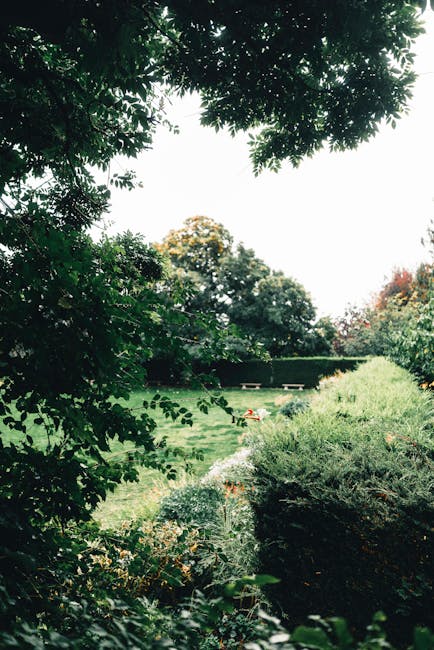
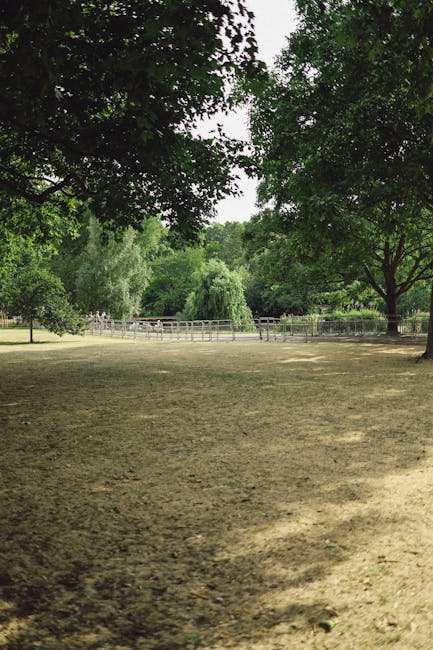
Mountsfield Park garden care services Catford: a practical local guide to healthier, tidier gardens
If you live or work near Mountsfield Park, you already know how quickly a garden can swing from "nearly there" to completely overgrown. One wet week, a few windy days, and suddenly the borders are shaggy, the lawn is patchy, and the whole space feels harder to enjoy. That is where Mountsfield Park garden care services Catford come in: steady, sensible help that keeps outdoor spaces looking good and working properly, not just for today but through the seasons.
This guide explains what garden care services usually cover, how the process works, who benefits most, and what to look for before you book. It also gives you a realistic view of maintenance standards, common mistakes, and the small details that make a big difference in a London garden. Truth be told, good garden care is rarely about one big dramatic job. It is about regular attention, tidy habits, and knowing what your space actually needs.
Whether you need one-off support after a busy spell or a more reliable ongoing plan, this article will help you make a better decision and avoid the usual disappointments.
Why Mountsfield Park garden care services Catford Matters
Gardens in Catford face a familiar mix of challenges: compact plots, shaded corners, busy family routines, and weather that can change the mood of a border in a week. Around Mountsfield Park, outdoor spaces often need more than a quick tidy. They need consistent care that keeps everything balanced, manageable, and pleasant to use.
That matters for several reasons. First, a well-kept garden is easier to enjoy. You can sit outside without mentally listing everything that needs doing. Second, regular care protects the long-term condition of the space. Soil, lawn health, hedge structure, and planting all respond better to routine maintenance than to occasional rescue work. And third, tidy outdoor areas tend to feel calmer. You notice it the moment you step out with a mug of tea and the early morning air is fresh, not cluttered with jobs.
For many households, garden work also becomes physically awkward very quickly. A simple trim can turn into a ladder job, a heavy waste-clearance task, or an afternoon you do not really have. Professional garden care can take those awkward bits off your hands while keeping the result neat and consistent.
If you are comparing broader local options, it may help to look at related services such as garden maintenance support or more specific seasonal help like hedge trimming. Those pages are useful if you want to understand how one-off tasks fit into a wider care plan.
How Mountsfield Park garden care services Catford Works
In practical terms, garden care usually starts with a walkthrough or a short discussion about what is needed. A good provider will want to understand the size of the garden, the condition of the lawn and planting, how often the space is used, and whether there are any problem areas such as stubborn weeds, waterlogged patches, or overgrown shrubs.
From there, the work is usually split into manageable tasks. That might include mowing, edging, pruning, weeding, leaf clearance, border tidying, planting refreshes, and waste removal. Sometimes it is a one-off reset. Sometimes it becomes a regular visit. A sensible service should feel tailored rather than bundled into a one-size-fits-all list.
Local conditions matter too. A garden that sits in shade near larger trees will behave differently from a sun-trap courtyard. Clay soil, compacted footpaths, and awkward access all change the job. Good garden care takes those realities seriously instead of pretending every garden should be treated the same way. That is a small thing, but it saves a lot of trouble later.
When services are well organised, the process is simple:
- Assess the garden and agree the priority tasks.
- Carry out the visible tidy-up work first.
- Deal with longer-term issues such as weeds, thinning lawn areas, or unhealthy growth.
- Remove waste and leave the space usable.
- Set a maintenance rhythm so problems do not come straight back.
If you want to understand how these services often connect with wider outdoor work, pages such as grass cutting and weed control can help you see where the individual tasks sit within a proper maintenance plan.
Key Benefits and Practical Advantages
The biggest benefit is obvious: your garden looks better. But to be fair, the real value goes deeper than appearances. A properly cared-for garden is easier to maintain, less stressful to use, and less likely to develop avoidable problems.
- Healthier plants and lawns: regular attention helps prevent overcrowding, poor airflow, and neglected patches.
- Less reactive work: small jobs are handled before they become bigger, costlier ones.
- Safer outdoor areas: clear paths, trimmed growth, and reduced trip hazards make a difference, especially for children, guests, or older residents.
- Better use of space: a tidy garden feels more usable, whether that means planting, relaxing, or simply storing things neatly.
- Reduced waste and clutter: leaf build-up, broken stems, and general debris are removed before they take over.
- More consistent curb appeal: the front and back of a property both benefit when maintenance is regular rather than rushed.
There is also a quieter benefit that people do not always mention. Routine garden care gives you back a sense of control. Outdoor spaces can become nagging, unfinished jobs in the background of everyday life. Once they are under control, the whole house tends to feel lighter. That sounds a bit grand, maybe, but it is true.
For landlords and property managers, consistency matters even more. If a garden is part of a rental property, neglect can quickly affect first impressions and sometimes even tenant satisfaction. A structured approach is usually far more efficient than waiting for a major tidy-up every few months.
| Service approach | Best for | Main strengths | Possible limitation |
|---|---|---|---|
| One-off tidy-up | Overgrown or neglected gardens | Fast visible improvement | Problems may return without follow-up |
| Regular maintenance | Homes that want steady upkeep | Prevents issues building up | Requires ongoing scheduling |
| Seasonal care plan | Gardens with changing year-round needs | Matches work to weather and growth cycles | Needs good planning and consistency |
Who This Is For and When It Makes Sense
Mountsfield Park garden care services Catford make sense for a wide range of people, not just those with large gardens. In fact, smaller spaces often benefit just as much because they show neglect quickly. A compact patio or narrow lawn can look messy after only a short lapse in care.
This type of service is especially helpful if you are:
- a homeowner who wants the garden to stay presentable without spending every weekend on it;
- a landlord wanting to keep a property tidy between tenancies or during occupancy;
- a busy family juggling work, school runs, and the eternal mystery of where the time goes;
- an older resident who finds certain garden tasks physically demanding;
- a new homeowner facing a garden that needs a proper reset;
- someone preparing a property for sale, rental, or guest visits;
- managing an outdoor space that includes shrubs, borders, lawn areas, and seasonal planting.
Sometimes the trigger is not a dramatic problem. It is just a point where the garden starts becoming a burden. Perhaps the hedge has grown wider than expected, or the weeds are winning that quiet little battle along the fence line. When that happens, a professional visit can bring the space back to a manageable baseline.
If the garden feels too much all at once, that is normal. Nobody wins points for doing everything the hard way.
Step-by-Step Guidance
If you are booking garden care for the first time, the process is easier when you know what to expect. A clear sequence helps you compare services and avoid vague promises.
1. Identify the main problem areas
Walk the garden and note what is actually bothering you. Is it the lawn, the weeds, the hedges, the borders, or simply the general untidiness? If you can describe the problems clearly, the service can be more focused.
2. Decide whether you need one-off or recurring help
One-off care is ideal for a reset. Recurring care is better if the garden grows quickly or if you know your own schedule will not stretch to regular upkeep. A lot of people begin with a one-off job and then move into monthly or seasonal support once they see the difference.
3. Ask what is included
Do not assume all providers include the same tasks. Some will cover pruning and waste removal, while others may charge separately for disposal or specialist work. Ask about edges, clear-ups, clippings, and how long the visit is likely to take.
4. Check access and practical details
Can the team reach the rear garden easily? Is there parking nearby? Are there locked gates, narrow side passages, or shared access issues? Small details like this can affect timing and costs more than people expect.
5. Agree the outcome
The best results come from clear expectations. "Tidy the garden" can mean many things. "Mow the lawn, remove weeds from beds, trim the hedge line, and clear all waste" is much better. Specificity saves awkwardness later.
6. Build in follow-up care
After the first visit, look at what still needs attention. In many gardens, the best outcome comes from a reset plus regular light maintenance rather than occasional heavy lifting. That is especially true in growing season, when things seem to sprout overnight.
Expert Tips for Better Results
A few practical habits make a big difference, and they are not difficult. They just need consistency. In our experience, the gardens that stay looking good are not always the fanciest ones. They are the ones with steady routines and realistic expectations.
- Keep the first visit focused. Start with the worst areas. It is tempting to tackle everything at once, but a clear priority list usually gives a better result.
- Trim before growth gets unruly. Light, regular pruning is easier on plants than harsh, last-minute cutting.
- Watch the edges. Clean borders and lawn edges make a garden look finished, even if the planting is still recovering.
- Deal with weeds early. Leaving them for "next time" is how next time becomes a bigger job.
- Leave enough time for waste removal. A tidy garden can still feel unfinished if clippings and cuttings are left behind.
- Match care to the season. Spring, summer, autumn, and winter each bring different priorities. That sounds obvious, but it is often ignored.
A small but useful tip: if you are planning planting or border work, keep a note of which spots get morning sun, afternoon sun, or almost permanent shade. Around Catford, that kind of detail can save you from buying the wrong plants twice. Been there, seen that.
If you are also thinking about planting, a broader garden design support page can be useful for understanding how structure and maintenance work together, especially when you want a garden that is easier to look after in the long run.
Common Mistakes to Avoid
Most garden headaches are not caused by one big error. They build slowly. A little delay here, a bit of over-pruning there, and suddenly the whole space feels off.
- Letting maintenance drift too long. A garden that goes untouched for months usually takes far more effort to restore.
- Cutting back too aggressively. Some shrubs and hedges respond badly to heavy-handed pruning.
- Ignoring drainage or soil issues. If a patch always looks tired, there may be an underlying problem, not just a cosmetic one.
- Choosing services without checking what is included. This is a classic one. The quote seems fine, then extra tasks appear later.
- Expecting a single visit to solve everything permanently. A good first visit makes a huge difference, but ongoing results usually need ongoing care.
- Overlooking seasonal timing. Some jobs are better done at specific times of year, and rushing them can reduce the result.
There is also the emotional mistake of waiting until the garden feels embarrassing before doing anything. A lot of people do it. No shame. But small, regular intervention is far easier than a full rescue mission every time.
Tools, Resources and Recommendations
The right tools matter because they shape the quality of the finish. Professional garden care usually relies on practical, well-maintained equipment rather than anything flashy. That includes mowers, trimmers, secateurs, edging tools, rakes, pruning saws, and waste bags or containers suited to the job.
For homeowners, a few basic items can help you support regular maintenance between visits:
- a reliable pair of gloves;
- hand shears for light tidy-up work;
- a sturdy rake for leaves and debris;
- a hose or watering can for dry spells;
- a simple notebook or phone note for seasonal jobs;
- basic weed removal tools for pathways and borders.
If you prefer a hands-off approach, that is completely fair. Not every garden owner wants to become part-time groundskeeper. In that case, a maintenance plan with a clear scope can be the better choice. Some people start with lawn care services and then add border work or hedge maintenance later once they see what the garden really needs.
One practical recommendation: keep a short list of your garden's priorities for each season. For example, spring may mean clearing winter debris and feeding the lawn, while autumn may focus on leaf fall and preparing beds. It keeps the work less chaotic and a bit more predictable.
Law, Compliance, Standards, or Best Practice
For most residential garden care, the main standards are practical rather than legal. Still, there are a few important points to keep in mind. Waste should be handled responsibly, tools should be used safely, and work should respect neighbours, shared access, and local property boundaries.
If waste is removed, it should be disposed of appropriately rather than left in bags indefinitely or dumped elsewhere. Noise and timing also matter in a residential area. Early starts may be acceptable in some contexts, but they are not always appreciated, especially on a quiet street. Common sense goes a long way here.
Where a garden includes trees, protected plants, or boundary hedges, extra care may be needed before cutting or removing anything substantial. If you are not sure what is appropriate, it is safer to pause and check rather than guess. That is especially true where roots, fences, or shared boundaries are involved.
Good practice also means clear communication. The provider should explain what they will do, what they will not do, and whether there are any limitations because of access, weather, or safety. That kind of honesty builds trust quickly, and it saves the awkward "I thought that was included" moment later.
Options, Methods, or Comparison Table
Different gardens need different approaches. A neat little table can make the decision easier if you are deciding between a quick tidy-up, scheduled maintenance, or a more structured garden care plan.
| Option | What it involves | Ideal situation | What to watch for |
|---|---|---|---|
| One-off tidy | Visible clearing, trimming, and basic restoration | Overgrown or neglected garden | May not prevent regrowth |
| Monthly maintenance | Routine mowing, pruning, weeding, and tidying | Busy households or rental properties | Needs consistent scheduling |
| Seasonal visits | Targeted work matched to the time of year | Gardens with changing needs | Less suitable for fast-growing spaces |
| Full garden care plan | Regular visits plus ongoing improvement work | Spaces that need long-term management | More planning required |
In many cases, the best choice is not the most intensive one. It is the one you will actually keep up with. A small, steady plan often beats a grand but unrealistic overhaul. Sounds boring, maybe. Works brilliantly, though.
Case Study or Real-World Example
Here is a simple real-world example. A Catford homeowner near Mountsfield Park had a garden that looked fine in early spring but quickly became difficult to manage once growth kicked in. The lawn had uneven patches, the rear border was full of self-seeded weeds, and the hedge line had started to spill into the path. Nothing dramatic, just that familiar slow drift into "we really should sort this out."
The first visit focused on the obvious problems: mowing, edging, clearing weeds, cutting back the hedge, and removing cuttings from the beds and path. That did not make the garden perfect in one sweep, but it changed the feel of it straight away. The space became usable again. You could see the layout. The air felt less cramped. The whole thing breathed a bit.
After that, the owner moved to a lighter maintenance schedule. The key difference was not the amount of work each time. It was the timing. Instead of waiting until the garden had become a nuisance, the maintenance visits kept it under control. The result was calmer, cheaper to manage, and far less stressful.
That is often how good garden care works. It is rarely a heroic transformation. It is more of a steady correction. And honestly, that is what most gardens need.
Practical Checklist
Use this checklist before booking or planning your next garden visit:
- Identify the main problem areas clearly.
- Decide whether you need a one-off job or ongoing care.
- List the tasks you want done in order of priority.
- Check access, parking, gates, and waste removal needs.
- Ask what is included and what costs extra.
- Confirm whether pruning, mowing, weeding, and clearing are all covered.
- Think about seasonal timing for any bigger jobs.
- Note any sensitive plants, uneven ground, or awkward boundaries.
- Set a realistic follow-up plan so the garden stays manageable.
- Keep the communication simple and specific.
Expert summary: The best garden care is not about doing everything at once. It is about getting the space back under control, then keeping it there with the right level of maintenance. Small, regular attention nearly always beats sporadic rescue work.
If you are comparing service types across your property, it can also help to review related support such as tree pruning and seasonal garden clearance, especially where overgrowth and debris are starting to crowd the garden.
Conclusion
Mountsfield Park garden care services Catford are really about making outdoor space easier to live with. Not perfect, not over-styled, just healthy, tidy, and ready to use. That matters whether you are looking after a family garden, a rental property, or a small private space that has gradually slipped behind your other responsibilities.
The best results usually come from clear priorities, honest communication, and a maintenance rhythm that fits the way you actually live. Once the garden stops feeling like a never-ending job, you get more than a neat lawn or clean borders. You get your space back. And that is a lovely thing, to be fair.
If you are ready to take the next step, start with a clear scope, ask sensible questions, and choose the level of care that matches your garden's real needs.
Get a free quote today and see how much you can save.
Frequently Asked Questions
What do Mountsfield Park garden care services Catford usually include?
They commonly include mowing, edging, pruning, weeding, leaf clearance, border tidying, and waste removal. The exact mix depends on the garden and the level of maintenance needed.
How often should a garden be maintained?
It depends on plant growth, garden size, and how tidy you want the space to stay. Many gardens benefit from regular visits during the growing season and lighter attention at other times.
Is a one-off tidy-up enough for an overgrown garden?
It can be a very good starting point, especially if the garden has been neglected. But if you want the results to last, some follow-up maintenance is usually needed.
Can garden care help with a small garden or courtyard?
Yes. Smaller spaces often need just as much attention because clutter, weeds, and uneven growth show up quickly in compact areas.
What should I ask before booking garden maintenance?
Ask what tasks are included, whether waste removal is part of the service, how long the visit will take, and whether the quote covers any extra work if the garden is more overgrown than expected.
Do I need regular garden care if I can do some of it myself?
Not necessarily, but many people choose a mixed approach: they handle lighter jobs themselves and bring in support for heavier, seasonal, or time-consuming tasks.
Will garden care improve the condition of my lawn?
Yes, routine mowing, edging, and basic care can help lawns look tidier and grow more evenly. If there are deeper issues such as thin patches or poor drainage, those may need more targeted work.
What happens to the garden waste?
That depends on the service. A good provider should explain clearly whether waste is removed, bagged, composted on site, or left for the customer to dispose of.
Is there a best time of year to start garden care?
Spring is often a natural time to begin because growth picks up, but garden care is useful year-round. Autumn clean-ups and winter preparation can be just as valuable.
Can garden care help prepare a property for sale or rental?
Absolutely. A clean, maintained garden improves first impressions and makes the property feel more looked after. It does not need to be fancy, just neat and usable.
How do I know if I need hedge trimming or full maintenance?
If one area is the main issue, such as an overgrown hedge, a focused service may be enough. If the whole space feels untidy, a wider maintenance visit is usually the better choice.
What is the biggest mistake people make with garden upkeep?
Waiting too long. Small problems are much easier to fix early. Once a garden gets badly overgrown, the job becomes bigger, slower, and more expensive to sort out.