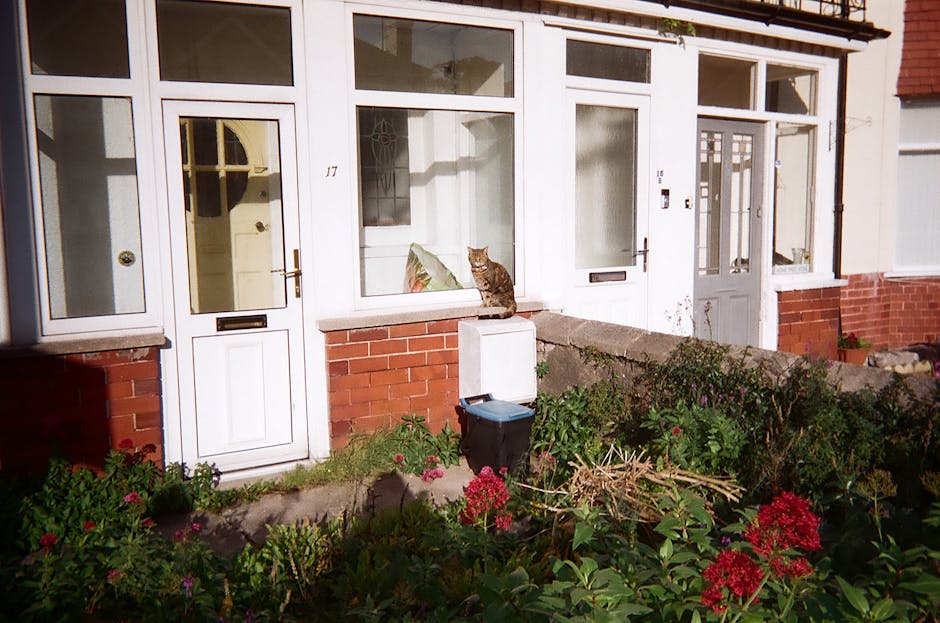
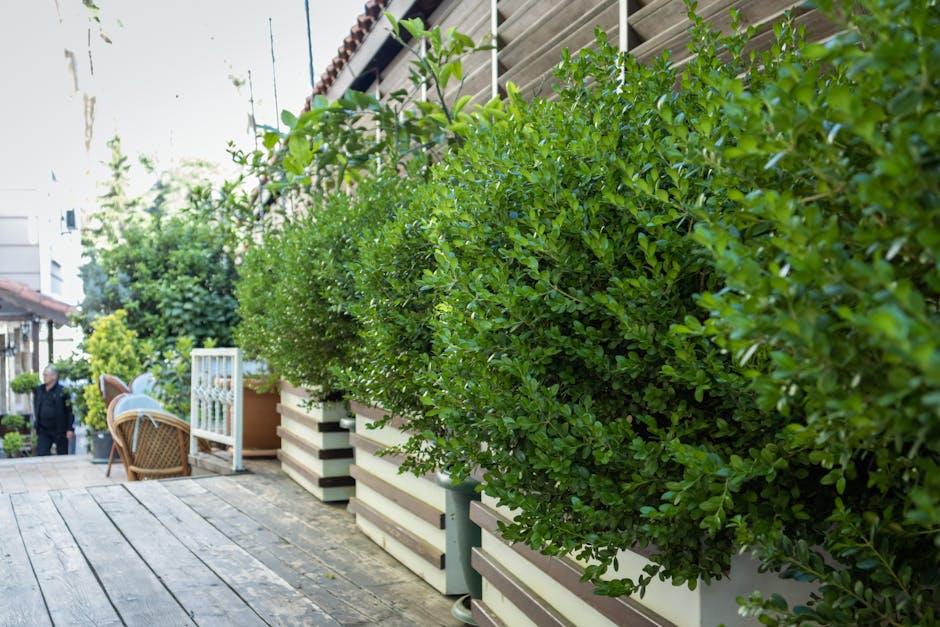
Top gardeners for Rushey Green terraces Catford
If you live on one of Rushey Green's terrace streets in Catford, you already know the garden story is often a bit different from the glossy suburban version. Narrow plots, shaded corners, overlooked boundaries, compact patios, and the occasional paving repair all shape what is possible. That is exactly why finding the top gardeners for Rushey Green terraces Catford is less about picking someone with a mower and more about choosing a professional who understands local space, soil, privacy, and the pace of London gardens.
This guide is built to help you make a smart decision. We will look at what good terrace-garden work should include, how local gardeners approach these spaces, what results you can realistically expect, and how to spot proper value rather than a quick tidy-up that looks fine for a week and then slips back. Truth be told, terrace gardens can be wonderfully rewarding. They just need the right hands on them.
Along the way, you will also find practical checklists, a comparison table, useful standards, and a few internal resources that may help if you are planning a larger garden project or want broader support in the area, such as garden maintenance, landscaping, hedge trimming, garden clearance, turfing, pressure washing, fencing, and lawn care.
Table of Contents
- Why Top gardeners for Rushey Green terraces Catford Matters
- How Top gardeners for Rushey Green terraces Catford Works
- Key Benefits and Practical Advantages
- Who This Is For and When It Makes Sense
- Step-by-Step Guidance
- Expert Tips for Better Results
- Common Mistakes to Avoid
- Tools, Resources and Recommendations
- Law, Compliance, Standards, or Best Practice
- Options, Methods, or Comparison Table
- Case Study or Real-World Example
- Practical Checklist
- Conclusion
- Frequently Asked Questions
Why Top gardeners for Rushey Green terraces Catford Matters
Terrace gardens in Rushey Green and the wider Catford area usually ask more of a gardener than a typical open plot. Space is tighter, access can be awkward, and many gardens have a mix of old paving, boundary walls, mature shrubs, and patches that never quite get enough light. A gardener who understands those conditions can make the difference between a garden that always feels cramped and one that feels calm, useful, and surprisingly generous.
There is also a local reality to consider. In many London terraces, the garden is not just decorative. It is where you dry washing, store bins, grow herbs, keep pets, host a coffee on a Sunday morning, or try to claw back five peaceful minutes after a long commute. The best gardeners understand that. They are not only trimming hedges. They are helping you reclaim a bit of everyday life.
And there is a financial angle too, although we should keep that sensible. Well-kept outdoor space generally improves the impression of a home, which matters whether you are staying long-term or thinking ahead. A tidy, well-structured terrace garden usually feels easier to live with and easier to maintain. A messy one tends to quietly demand attention every weekend. Nobody wants that. Not really.
For a broader view of how ongoing care supports a property, you may also find our guide to regular garden maintenance helpful. It explains why small, steady work often beats a big seasonal rescue.
How Top gardeners for Rushey Green terraces Catford Works
Good terrace-garden work usually starts with observation, not tools. A skilled gardener will first look at sunlight, drainage, access points, boundary conditions, soil condition, and how you actually use the space. That first visit matters more than people think. A front-to-back sweep with a strimmer is not a plan. It is just movement.
From there, the work often falls into a few common stages:
- Assessment: identifying what is healthy, what is overgrown, what is failing, and what can be improved without unnecessary removal.
- Clearance: removing dead growth, waste, tangled weeds, old containers, or debris that blocks the garden from breathing.
- Structure: shaping hedges, borders, paths, and planting areas so the garden feels ordered and usable.
- Soil and planting work: improving beds, refreshing compost, and choosing plants suited to shade, wind, or low-maintenance conditions.
- Practical finishing: edging, sweeping, pressure washing where appropriate, and making sure the space looks complete rather than half-done.
On terraces, small improvements often have outsized impact. Raising a border by a few inches, reducing a hedge line, or cleaning a path can change how the whole place feels. You notice it at once. Suddenly the space is lighter, easier to cross, less like a corridor.
If you are planning a bigger refresh, some gardeners will coordinate with related services such as landscaping for layout changes, fencing for privacy, or turfing where a lawn needs replacement rather than endless patching.
Key Benefits and Practical Advantages
There are plenty of reasons people start looking for the top gardeners for Rushey Green terraces Catford, but the real value is usually practical. Not flashy. Practical.
- Better use of limited space: A terrace garden should not feel like a leftover strip. With the right layout, even a narrow space can include seating, planting, and movement.
- Less maintenance stress: Structured borders, sensible planting, and reliable pruning schedules reduce the feeling that the garden is always "getting away from you."
- Improved privacy: Strategic hedge work or fencing can soften the view from neighbouring properties and help the garden feel more personal.
- Healthier planting: Plants placed for shade, drainage, and exposure tend to survive better. Simple as that.
- Safer access: Clear paths, level surfaces, and less clutter mean fewer slips, trips, and awkward scrapes with overgrown branches.
- Better first impressions: Whether you are hosting or selling, an orderly outdoor space tends to make the whole property feel more cared for.
One underrated advantage is confidence. A lot of people in terrace homes simply stop using the garden because it feels too much. Once a professional has reset the space, that changes. A small bench appears. A herb pot survives. A child can move around without stepping on nettles. Little things, but they matter.
Expert summary: The best terrace-garden results in Catford are usually not about dramatic redesign. They come from a calm, structured approach that improves light, access, privacy, and maintenance at the same time.
Who This Is For and When It Makes Sense
This kind of local gardening support makes sense for a wide range of people. You might be in a terraced house on or near Rushey Green, with a rear garden that has become a bit unruly after winter. Or perhaps you have recently moved in and the space is overgrown, neglected, or just not working for you.
It is especially useful if you:
- have a narrow or shaded garden that needs careful planning
- want regular maintenance rather than occasional rescue work
- need help with boundaries, privacy, or screening
- are preparing a property for letting or sale
- have limited time and want a reliable, tidy finish
- are not sure what to keep, what to cut back, and what should go
Sometimes the trigger is seasonal. Early spring can expose messy borders and winter damage. Late summer can bring that familiar "how did it get like this?" feeling. Other times, it is simpler: the garden just never matched the house or the way you live. Happens all the time.
If overgrowth is part of the problem, a service like garden clearance can often be the right first step before any finer work begins. You cannot shape a space properly until the clutter is out of the way.
Step-by-Step Guidance
If you are comparing gardeners for a terrace in Rushey Green, a clear process helps. Here is the practical sequence most good jobs follow.
- Walk the garden with purpose. Look at what is actually happening in the space: drainage, privacy, shade, broken paving, weeds, tired soil, and awkward access.
- Define the priority. Do you want a one-off tidy, ongoing maintenance, a redesign, or a mixture? Be honest here. A lot of confusion starts when the brief is too vague.
- Agree the scope. Decide what will be cut, cleared, repaired, planted, or left alone. Good gardeners are careful with that, because not every overgrown thing should be removed.
- Choose the practical outcome first. Think about how you use the garden. Seating? Children? Pets? Low maintenance? The answer changes the job.
- Address the structural layer. Paths, edges, fences, and levels need attention before decorative planting can really shine.
- Improve soil and planting conditions. Healthy roots need decent soil, the right compost, and plants that suit the site. No clever shortcut beats that, really.
- Plan maintenance. A well-kept terrace garden usually needs regular light care. If you leave everything too long, the work gets heavier and more expensive later on.
A sensible gardener will also tell you what not to do. For example, removing every plant from a bed can create a blank slate, yes, but it can also strip the garden of structure, habitat, and character. Sometimes a selective cutback is far smarter than a full reset.
If you need more than gardening alone, you may want to combine it with hedge trimming for boundary control or pressure washing for paths and patios that have become slippery or stained.
Expert Tips for Better Results
Here are the sorts of things that make a noticeable difference in terrace gardens, and not everyone mentions them. They should.
- Work with shade, not against it. Many London terraces get uneven light. Choose plants that can cope rather than constantly fighting a losing battle.
- Keep a clear "line of travel." You should be able to move from door to seating area without stepping over pots, tools, or random bags of compost.
- Use repetition sparingly. A few repeated plants or materials can make a small garden feel deliberate instead of crowded.
- Mind the edges. Sharp, clean borders make even a simple garden look more finished. It is oddly satisfying, too.
- Mix hard and soft surfaces carefully. Terraces often work best with a balance of planting, paving, and maybe a small lawn or raised bed.
- Choose low-drama plants. In busy households, robust plants are often the right answer. Pretty, but not needy.
One practical trick: step back from the garden at dusk, not just in daylight. Around that time, string lights, wall height, and border shapes can suddenly reveal what feels cramped and what feels calm. A tiny change in perspective can save a lot of second-guessing.
And if your boundary feels too open, a combination of planting and fencing can create privacy without making the garden feel boxed in. There is a sweet spot there. Not too closed, not too exposed.
Common Mistakes to Avoid
Terrace gardens often go wrong in the same few ways. Avoiding these saves time, money, and a fair bit of frustration.
- Choosing style before structure: If the drainage is poor or the access is awkward, fancy planting will not fix it.
- Over-clearing the space: Removing too much can leave the garden bare, harsh, and hard to recover from.
- Ignoring shade and moisture: Plants selected for the wrong conditions tend to struggle quickly.
- Not planning for maintenance: A beautiful garden that nobody can keep up with is not really a good design.
- Using too many small features: Too many pots, ornaments, or tiny beds can make a terrace feel cluttered.
- Skipping the first clean-up: Sometimes people want the "final look" before they have dealt with weeds, moss, or debris. Backwards, that is.
Another quiet mistake is hiring on price alone. A very cheap quote can be tempting, of course, but if it leaves out clearance, waste removal, or follow-up care, the end result may cost more in the long run. You want clarity, not surprises.
A good local gardener should be able to explain the likely sequence and what is realistic within your budget. If the pitch sounds too polished or too vague, ask more questions. Nicely, but firmly.
Tools, Resources and Recommendations
You do not need every tool under the sun, but the right basics make terrace work safer and neater. For clients, the most useful resources are often surprisingly ordinary.
| Need | Useful tool or service | Why it helps |
|---|---|---|
| General tidy-up | Hand tools, rakes, shears, bags | Good for controlled clearing without damaging nearby plants |
| Large overgrowth | Garden clearance | Helpful when the space needs a proper reset first |
| Privacy and structure | Fencing and boundary planting | Supports enclosure without making the garden feel heavy |
| Lawn problems | Lawn care or turfing | Useful if grass is patchy, compacted, or beyond simple repair |
| Path and patio cleaning | Pressure washing | Can brighten hard surfaces and reduce slippery build-up |
For planning purposes, it also helps to keep a few notes: what time of day your garden gets sun, where water sits after rain, and which plants keep failing. Those simple observations can save a lot of guesswork. A gardener can work from them quickly and make better recommendations.
If you want to understand how ongoing garden care works in more detail, our garden maintenance page is a useful next stop. It is especially relevant if you are deciding between one-off work and a routine service.
Law, Compliance, Standards, or Best Practice
For most domestic garden work in Catford, the main concerns are common-sense best practice, neighbour consideration, and safe working rather than complex regulation. Still, there are a few sensible points worth keeping in mind.
- Waste disposal: Green waste should be removed and handled responsibly. If a gardener says they will "sort it later", ask exactly what that means.
- Working near boundaries: Be careful around shared fences, walls, and hedges. Good practice is to agree what belongs to which side before major cutting starts.
- Noise and timing: Terrace streets are close together. Early-morning strimming or repeated power-tool use can irritate neighbours, so timing matters.
- Safety: Proper footwear, eye protection, and sensible handling of tools are basic expectations, not extras.
- Protected wildlife: If nesting birds or other wildlife are present, cutting back should be handled carefully and at an appropriate time. A careful gardener will pause if something looks active or sensitive.
There is also a practical standard worth respecting: leave the site cleaner than you found it. That includes swept paths, tidy edges, and no hidden piles of debris. It sounds obvious, but you would be surprised. Or maybe you would not.
Where work involves structural changes, significant tree work, or shared boundaries, it may be sensible to seek additional advice before proceeding. When in doubt, a cautious approach is usually the right one.
Options, Methods, or Comparison Table
If you are choosing between different kinds of gardening help, it helps to compare them plainly. A terrace in Rushey Green does not always need the same type of service as a bigger suburban plot.
| Option | Best for | Strengths | Limitations |
|---|---|---|---|
| One-off tidy-up | Overgrown gardens needing a reset | Fast, visible improvement | May not solve long-term maintenance |
| Regular garden maintenance | Busy households and rental properties | Keeps things under control, lower stress | Less dramatic change at once |
| Partial redesign | Spaces that work badly but are not hopeless | Improves layout and usability | Needs more planning and budget |
| Full landscaping | Major layout issues or complete refresh | Best for long-term transformation | Longer project, usually more disruption |
In many Rushey Green terrace gardens, the best path is a staged one: clear, then shape, then improve. It avoids wasting effort on plants or features that will later need to be moved again. That part is easy to forget when you are eager to see progress.
Small gardens often benefit from restraint. One well-planned seating area beats three cramped ones. One healthy border beats six tired containers. Less noise, more calm.
Case Study or Real-World Example
Imagine a typical Catford terrace garden: a narrow rear space with old paving, a patchy lawn, a few shrubs that have been left too long, and one side boundary that feels too exposed. Nothing dramatic. Just the sort of garden people keep meaning to sort out.
The first step is usually a tidy clearance. Dead stems, self-seeded weeds, broken pots, and built-up debris all go. Once the space is visible again, the real decisions become easier. You can see the line of the garden properly. You can tell where water gathers after rain. You notice that the shady corner by the back wall is not the right place for sun-loving plants, obvious in hindsight, but easy to miss when the place is messy.
From there, a sensible gardener might:
- shape the hedge or boundary planting for more privacy
- replace tired lawn sections or simplify the ground cover
- clean the path and patio so the whole area feels brighter
- add a small, manageable planting scheme with structure and seasonal colour
- leave space for sitting rather than filling every inch
The result is usually not a magazine fantasy. It is better than that in a way. It becomes usable. The owner starts opening the back door again, notices birds returning, and stops apologising for the garden to guests. That's the real win.
If the property needs more than gardening alone, a combined approach with landscaping or pressure washing can complete the transformation without making the project feel overcomplicated.
Practical Checklist
Use this before booking or brief-writing. It keeps things grounded.
- Have you identified the main problem: overgrowth, privacy, poor layout, weak planting, or all of the above?
- Do you want a one-off job, regular upkeep, or a larger redesign?
- Is access to the garden straightforward, or will tools and waste need careful handling?
- Are there plants you want kept, reduced, or removed?
- Do the boundaries, fences, and paths need attention too?
- Is the garden shaded, damp, windy, or sun-trapped in specific places?
- Would privacy planting or fencing help the space feel more comfortable?
- Do you need waste removed as part of the service?
- Are you planning to use the garden more for seating, play, growing, or low-maintenance display?
- Have you asked how the gardener handles follow-up care or seasonal maintenance?
If you can answer most of those questions, you are already ahead of many people who start with "just tidy it up" and hope for the best. That may work on a small front bed. Not usually on a terrace garden.
Conclusion
Finding the top gardeners for Rushey Green terraces Catford is really about choosing someone who understands the shape of local homes, the realities of London gardens, and the difference between a quick tidy and a space that genuinely works. The best results come from clear thinking: assess the site, fix the structure, choose plants for the conditions, and keep maintenance realistic.
That approach is kinder to the garden and kinder to you. It reduces stress, improves the look of the home, and gives you an outdoor space you actually want to use. Small terrace gardens can be beautifully satisfying when they are treated with a bit of care and a steady hand. No drama, just good work.
Get a free quote today and see how much you can save.
And if you are still comparing options, take your time. A thoughtful choice now usually pays you back every time you step outside and see the space working properly.
Frequently Asked Questions
What should I look for in a gardener for a terrace garden in Rushey Green?
Look for someone who understands narrow spaces, shade, boundary issues, and practical maintenance. A good terrace gardener should ask about how you use the garden, not just what you want cut back.
Do terrace gardens in Catford need different care from larger gardens?
Yes, often they do. Terrace gardens usually have tighter access, more shading, and less room for error. That means layout, pruning, and plant choice matter more than they might in a larger open garden.
Is a one-off tidy-up enough for an overgrown terrace garden?
Sometimes it is a good start, but not always enough long-term. If the garden is badly overgrown or poorly laid out, a one-off tidy may need to be followed by structured maintenance or small redesign work.
How often should a terrace garden be maintained?
That depends on the planting and the season, but many terrace gardens benefit from regular light maintenance rather than rare heavy cuts. A little often usually works better than a big rescue job later.
Can a small terrace garden still feel private?
Yes. Privacy can be improved with careful hedge work, boundary planting, trellis, or fencing. The trick is to create screening without making the space feel boxed in.
What if my garden gets very little sunlight?
That is common in terrace homes, especially in built-up London streets. A good gardener will suggest shade-tolerant plants and avoid forcing sun-loving species into a spot where they will struggle.
Should I choose landscaping or routine garden maintenance?
If the structure is wrong or the space needs rethinking, landscaping may be the better start. If the garden is basically fine but gets untidy quickly, routine maintenance is usually more sensible.
Will a gardener remove waste after clearing my garden?
They should tell you clearly whether waste removal is included. Always ask. Green waste, broken containers, and general debris need to be handled properly, not left behind for you to sort out.
Can gardeners improve a tired patio as well as the planting?
Yes, many can help with cleaning, edging, and surface improvement. For heavily marked or slippery areas, pressure washing may be useful alongside planting and border work.
How do I know if I am getting good value?
Good value usually means the gardener understands your space, explains the plan clearly, includes the right services, and leaves the garden genuinely more usable. The cheapest option is not always the best value, not by a long shot.
What is the best time of year to improve a terrace garden?
There is no single perfect time, but spring and early autumn are often practical because planting conditions are usually kinder. That said, clearance and structural work can often begin earlier if conditions allow.
Can a gardener help with both planting and boundaries?
Yes, and that is often the most effective approach. If a terrace garden feels open or exposed, combining planting with fencing or hedge work can create a much better overall result.
How do I prepare before a gardener visits?
Clear access where you can, make a note of problem areas, and think about what you want to keep. Even a few quick observations about shade, drainage, or plants that are failing can make the first visit more useful.